
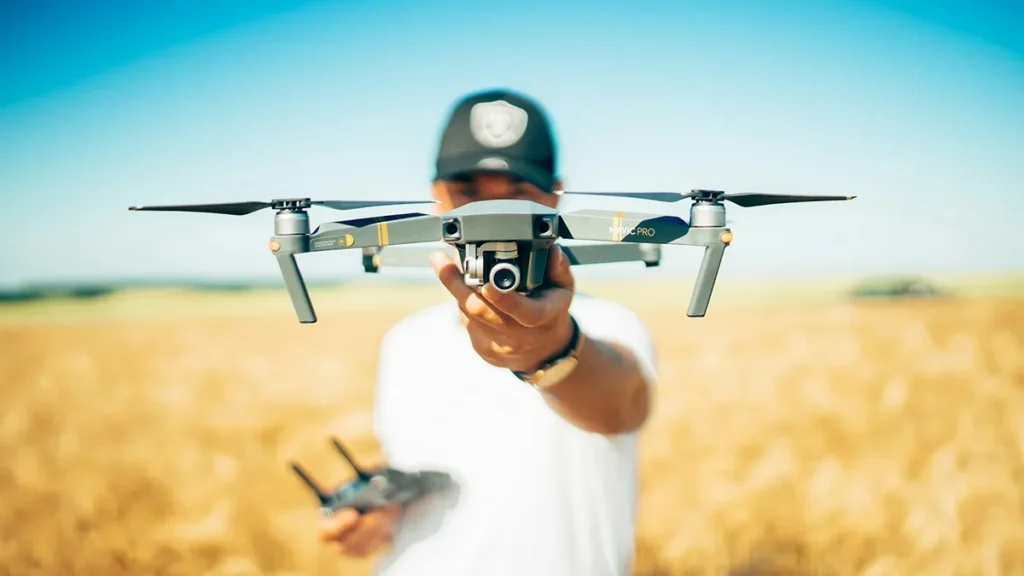
The “eye in the sky” just got a new job description. As of January 2026, Saskatchewan has officially modernized its pesticide regulations to include a specific category for Remotely Piloted Aircraft Systems (RPAS)—more commonly known as drones.
For producers and commercial applicators, this opens the door to precision spraying in hard-to-reach areas, but it also introduces strict new licensing and liability requirements.
1. The New Drone Licence Category
Saskatchewan now requires a specific commercial pesticide applicator licence for drone use.
- Mandatory Training: To qualify, applicators must complete a specialized RPAS Pesticide Applicator course, with the first sessions launching at Saskatchewan Polytechnic in early 2026.
- One-Year Terms: To ensure compliance stays current, all commercial pesticide licences in the province have moved to a standardized one-year term.
- Producer Exemption: If you are an agricultural producer applying pesticides on your own land, you are currently exempt from this specific provincial licence—but you must still follow all federal label laws.
2. The "Label is Law" (Federal Restrictions)
While the province has created the licence, Health Canada’s PMRA still controls what you can actually put in the tank.
- RPAS-Specific Labels: You cannot legally spray a product by drone unless the label explicitly mentions “Remotely Piloted Aircraft System” or “RPAS”.
- Current Approvals: As of early 2026, only seven pest control products are federally registered for drone application in Canada.
- The Fungicide Gap: Currently, only one fungicide is approved for RPAS use, specifically for powdery mildew on fruits, vegetables, and cannabis/hemp. Using other products on row crops remains an “off-label” violation.
3. Insurance and Digital Paperwork
The 2026 update places a massive emphasis on Pesticide Drift Liability.
- GPS Record-Keeping: Commercial applicators are now legally required to maintain GPS records for every pesticide application flight.
- Liability Coverage: Licensed drone applicators must carry adequate insurance specifically covering pesticide drift. In Saskatchewan, this typically requires at least $100,000 in coverage per occurrence.
Are You Ready for Takeoff?
The efficiency of drone technology is undeniable, but the regulatory landscape is shifting under our feet. At Thiessen Safety, we help you bridge the gap between “new tech” and “full compliance.”